

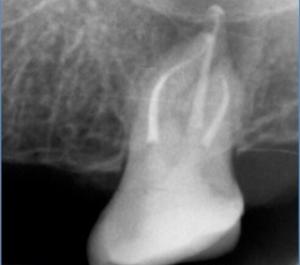
Root canal treatment can help save a tooth when the soft tissue inside it becomes inflamed or infected. We will explain whether the tooth can be treated and guide you through the options.
In pain now? Phone your nearest clinic and tell the team it is urgent. If swelling is affecting your breathing or swallowing, call 111.
Why might I need root canal treatment?
Deep decay, a crack, an injury or previous dental treatment can damage the pulp inside a tooth. Your dentist will assess the tooth, your symptoms and X-rays before recommending treatment.
Persistent pain, sensitivity, swelling or a change in tooth colour can be reasons to seek an assessment. Some teeth need treatment even when they are not painful.
What happens during treatment?
- Assessment and discussion. We check the tooth and explain its outlook, treatment options and costs.
- Comfort and isolation. Local anaesthetic is used, and a dental dam helps keep the tooth isolated during treatment.
- Cleaning and sealing. The damaged or infected tissue is removed. The canals inside the roots are cleaned, shaped and filled.
- Protecting the tooth. A suitable final filling or crown is arranged to seal and protect the tooth.
Treatment may need one or more appointments. A temporary filling may be used between visits.
General dental care and specialist endodontics
Our dentists provide root canal treatment and can arrange specialist care when needed. Dr Dikesh Parmar is Capital Dental's specialist endodontist, with care available at The Terrace in Wellington and at Lower Hutt.
An endodontist focuses on diagnosing and treating problems inside teeth. Your dentist may recommend specialist assessment for a more complex tooth, persistent symptoms or a tooth that has had root canal treatment before.
Common questions
Will it hurt?
Local anaesthetic helps keep treatment comfortable. Tell your clinician if you are anxious or feel discomfort. It is common for the tooth to feel tender afterwards; we will explain what to expect and when to contact us.
Will I need a crown afterwards?
Some teeth need a crown or another protective restoration after root canal treatment. The recommendation depends on the tooth and how much healthy tooth structure remains.
What are the alternatives?
Depending on the diagnosis and whether the tooth can be restored, options may include other treatment or extraction. Your dentist will explain the likely benefits, risks and outlook of each suitable option. Root canal treatment cannot guarantee that a tooth will last for life.
How much does treatment cost?
Costs depend on the tooth, its complexity, whether specialist care is needed and the final restoration. Ask for a written treatment plan covering both root canal treatment and the restoration afterwards.
Take the next step
Call your clinic if you have toothache, or send us a request for an assessment. We will get back to you to confirm a time.
Further patient information: NHS root canal treatment guide.