

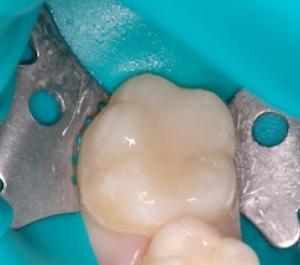
A fissure sealant is a thin plastic coating that covers the deep grooves on the chewing surface of back teeth, where decay often starts.
Why seal back teeth?
The chewing surfaces of back teeth (molars) have narrow grooves called fissures. Toothbrush bristles often cannot reach into them to remove plaque. Plaque bacteria produce acid when we eat sugar, and that acid causes decay. A sealant covers the grooves so plaque has less chance to build up.
What happens?
- Clean and dry. The tooth is cleaned and dried.
- Apply the sealant. The sealant is painted onto the chewing surface.
- Set. The sealant is hardened, usually with a special light, and your bite is checked.
Placing a sealant does not usually involve drilling or removing tooth structure.
Good to know
- Sealants protect the chewing surface only. Brushing with fluoride toothpaste, cleaning between your teeth and limiting sugary food and drink still matter.
- Sealants can wear or chip over time, so your dentist checks them at your regular check-ups.
- Sealants are most often placed on the adult back teeth of children and teens, and can sometimes help adults. Your dentist will tell you if they suit your teeth.
Common questions
Do sealants stop all decay?
No. They reduce the risk of decay in the sealed grooves but do not protect the rest of the tooth. Good home care and regular check-ups are still needed.
Ask about sealants
Tell us which clinic suits you and what you would like to talk about. The clinic will get back to you to confirm a time. See costs and payment options before you come in.